
Does Oil Moisturise Afro Hair? What I Learned (and Why I Stopped Sealing)
Your Afro can be soft, shiny and flexible, and still be thirsty underneath. If you've ever oiled your hair every morning and still felt it go dry by midweek, this is for you.
At the start of my hair journey I was obsessed with how to “seal in moisture”. I tried countless methods, and the LOC and LCO methods (liquid or leave-in, oil, cream, layered in that order) were my favourites. I genuinely believed the oils and butters were locking water into my strands. It took a lot of learning, and a lot of honest conversations with experts, to understand why it wasn't working.
The short answer: no, oil doesn't moisturise
Moisture is simply the amount of water in your hair strands. Water is the only substance that can actually moisturise them. Everything else either helps hair attract and hold on to water, or changes how the hair feels.
“Applying oils to dry hair simply means you're lubricating dry hair, not moisturising it.”
— Paige Lewin, How to Love Your Afro
Oils soften, coat and slow down moisture loss. That's useful, but it isn't the same thing. And because products leave a film on the strand, how your hair feels can't tell you whether it's actually hydrated. Think of a wilting plant: you'd water it, you wouldn't drench it in oil.
Why “moisturising” labels confuse us
“Moisture” is one of the most misused words in our community and on product labels. A product can make hair feel soft, pliable or lubricated without adding any water at all. That's why, in the book, I talk about conditioning shampoos rather than “moisturising” ones: the only way to truly get moisture is from water.

Humectants vs emollients: who does what
Reading labels gets much easier once you know these two groups.
- Humectants attract and retain moisture from the atmosphere into the hair shaft. Examples: aloe vera, glycerine and honey.
- Emollients fill the gaps between cuticles, coat and smooth the strand, reduce friction and form a barrier that helps hold on to existing moisture. Examples: shea butter, coconut oil, mango butter and babassu oil.
So shea butter is an emollient, not a humectant. It can be lovely in a formula, but it isn't adding water. If dryness is your concern, look for humectants in your styling products. There's more on this in my guide to why Afro hair feels dry even after conditioning.
Why I stopped using the LOC method
Water always evaporates. It doesn't matter how many layers you put on top: the hydration from Sunday's wash won't still be there four to seven days later. Once I accepted that, I could see that LOC and LCO were weighing my hair down with product and clogging my hair follicles.
So I stopped obsessing over sealing moisture in, and shifted my focus to replenishing it once it's gone. That means putting my energy into the most effective wash day routine I can, with the right cleanser and the right conditioner, every week.
Raw oils and butters vs blended products
A fairly new but prominent sentiment among professionals, which Aishia Strickland of Black Girl Curls shared with me, is to avoid raw oils and butters and use products that have oils and butters blended into the formula. Many raw oils and butters have molecules too large to penetrate the strand, especially unprocessed ones. Blended with humectants, emollients, vitamins and minerals, they work better together.
Gaia Tonanzi, founder of Tootilab, also pointed out that ongoing use of heavy oils and butters can weigh curls down in the same way people worry silicones do. You can read more about that in my post on silicones.
So when is oil useful?
- In pre-blended products, which leave less build-up and carry a lower risk of clogging pores, especially if you aren't cleansing regularly.
- For slip when detangling, used with water or conditioner.
And on the scalp? That's a whole conversation in itself. I cover it in Should You Oil Your Scalp?

What to do instead
- Wash weekly. Once a week is the baseline; every ten days to two weeks at the very latest. Hair coated in product and dirt struggles to let moisture in.
- Soak your hair in water first, for as long as it takes.
- Work your conditioner in actively, adding water as you go to create slip.
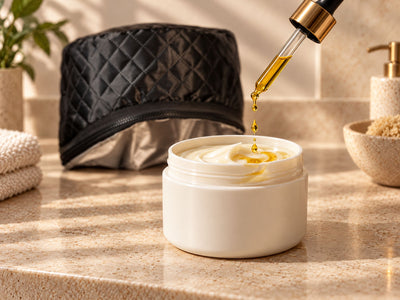
- Add low, gentle heat when conditioning. Cover your hair with an electric heated hat or a warm towel for twenty to thirty minutes after your conditioner or mask, then rinse. It can help soften hair and improve absorption of some ingredients, especially in thicker or low-porosity hair. Always check your product's instructions. The full method is in How to Deep Condition Afro Hair at Home.
- Drink plenty of water. Hydrating your body supports your scalp too.
Moisturised hair isn't a feeling or a look. It's a behaviour: how your hair moves, its elasticity, how easily it styles and how long your styles last. That's what to watch.
Frequently asked questions
Does coconut oil moisturise Afro hair?
No oil truly moisturises hair; only water does. Coconut oil is an emollient: it coats, smooths and can help slow moisture loss.
Should I use the LOC method?
I no longer do. Water evaporates whatever you layer on top, and I found LOC weighed my hair down and clogged my follicles. I focus on replenishing moisture every wash day instead.
What should I look for if my hair is dry?
Humectants such as aloe vera, glycerine and honey in your styling products, plus a consistent weekly wash day with a good conditioner.
The Heat Hat Method
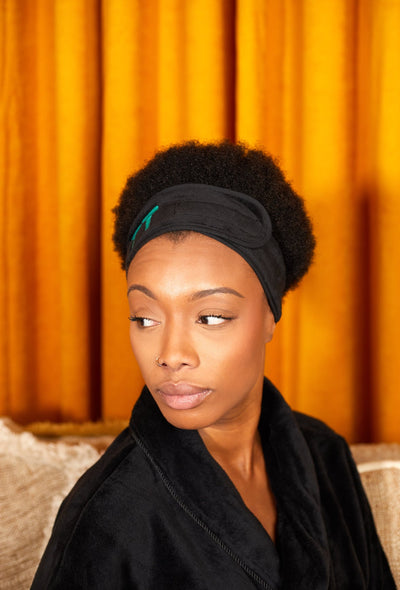
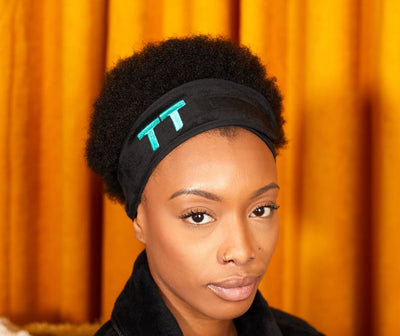
I use my Heat Hat every wash day, even with basic conditioners, to help keep my hair hydrated and soft from one wash day to the next. Pair it with the Self-Care Headband to seal heat in at the edges.
From the book
How to Love Your Afro by Paige Lewin
Everything here comes from Chapter Fourteen, Moisture Retention, and Chapter Fifteen, Understanding Ingredients. The Bloomsbury-published, Amazon bestselling guide to loving and caring for your natural hair — in hardback, Kindle and audiobook.
Amazon UK Amazon US Barnes & Noble Waterstones Blackwell's Roving Heights (Nigeria)
Paige xx
The Hair Journal, in your inbox
Get Paige's wash day tips first.
New Hair Journal posts, honest Afro hair education from How to Love Your Afro, and first access to new Team Texture drops.
Unsubscribe any time.


