
Should You Oil Your Scalp? The Truth About Scalp Oiling for Afro Hair
If you grew up with Afro hair, you probably remember the tub of grease. Oiling the scalp is one of the most loved rituals in our community. So when experts told me it was an unnecessary step, I had to sit with it.
My childhood memory is so clear: sitting between my mum's legs, passing up the tail comb and the tub of castor oil grease from the local Black hair shop. It's a cultural, generational practice, full of love. But when I started speaking to professionals for the book, several different experts told me scalp oiling is an unnecessary step that could cause a whole new set of problems.
Your scalp is still just skin
Your scalp is the foundation for healthy hair growth, a bit like fertile soil for a garden. It deserves the same energy you give your face and body skincare routine.
“Remember, the scalp is still just skin.”
— Paige Lewin, How to Love Your Afro
Every hair follicle has a sebaceous gland attached to it. These glands produce sebum, a waxy substance we often call our “natural oils”, which lubricates the strand as it exits the scalp and keeps hair and scalp lubricated. Your scalp is already making oil.
What over-oiling can do
Here's what the experts explained to me:
- It can disrupt your scalp's natural balance. Regular heavy oils and greases may reduce sebum production, because the glands stop producing as they should when we've taken over their role.
- It can upset the scalp microbiome. An imbalance can lead to overgrowth of harmful bacteria or normally harmless yeasts, which can potentially cause folliculitis (inflamed follicles) or seborrheic dermatitis.
- It can clog pores. Heavy oils, butters and greases can trap dirt and bacteria and potentially cause scalp acne, irritation and inflammation.
Seborrheic dermatitis is common and non-contagious. It can show up as itchy red patches and greasy scales on the skin, and white or yellow crusty or powdery flakes on the scalp. If you think you have symptoms, book a dermatologist straight away.

But won't oil help my hair grow?
This is the big one. Curl specialist Anita Wilson, founder of Monarch Curl Studio, explained that to stimulate growth an oil would need to reach the root deep in the dermis, which most oils can't do. Topical products typically don't influence growth directly unless they contain medicinal ingredients, such as minoxidil. Your hair gets its nutrients from the food you digest, carried through your bloodstream to the papilla, where the strand is made.
That's why I'm so wary of anything sold as a “hair growth oil”. I go deeper in Does Afro Hair Grow? and Rosemary Oil for Afro Hair Growth.
What if I oil and my scalp feels fine?
It's still worth pausing, reviewing your routine and taking a preventative approach. Build a wash day routine that helps rebalance your natural oil production.
Be prepared: when you stop oiling, you might notice some dryness, flaking or itchiness at first. Regular cleansing and conditioning helps your scalp rebalance. If irritation continues, see a trichologist or dermatologist straight away; they may be able to provide a medicated treatment.
What to focus on instead
- Cleanse regularly. In a single week your scalp collects layers of product, lint from scarves, hats and bedding, dust, pollution, sweat, dead skin cells and sebum. That's a breeding ground for bacteria. Wash once a week as a baseline; every ten days to two weeks at the very latest.
- Use your fingertips, not your nails, to agitate the scalp when you shampoo.
- Double cleanse when you've used a lot of product.
- Always follow with conditioner.
- Avoid tension. Styles created with excessive pulling can cause severe scalp damage that can become irreversible.
- Book a scalp assessment with a dermatologist so you know about any conditions that could affect your hair journey.
A balanced, clean scalp, free of tension, heavy oils and products, keeps follicles clear so hair can grow stronger, retain more moisture and be less prone to breakage. More in my deep conditioning guide and Does Oil Moisturise Afro Hair?

Frequently asked questions
Is it bad to oil your scalp?
Several experts told me it's an unnecessary step. Regular heavy oils and greases can disrupt your scalp's balance and clog pores. Regular cleansing and conditioning matters far more.
Does scalp oil help Afro hair grow?
Most oils can't reach the root deep in the dermis, so topical products typically don't influence growth unless they contain medicinal ingredients (Anita Wilson).
Why is my scalp flaky after I stopped oiling?
Some dryness, flaking or itching can happen at first while your scalp rebalances. If it continues, see a trichologist or dermatologist.
The Heat Hat Method
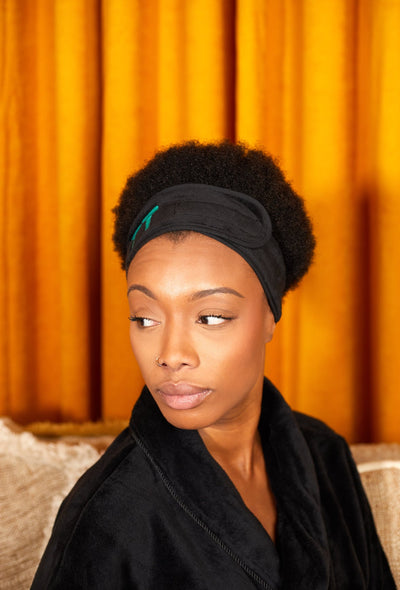
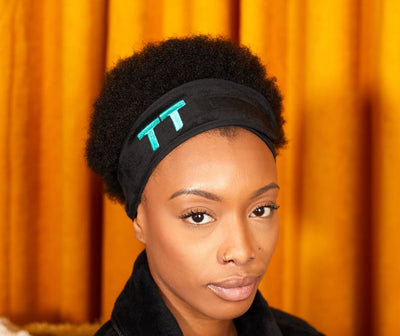
Swap the grease for a wash day that does the work: cleanse, condition, then 20–30 minutes under the Heat Hat with the Self-Care Headband sealing heat in at the edges.
From the book
How to Love Your Afro by Paige Lewin
This post draws on Chapter Twelve, Scalp Health First. The Bloomsbury-published, Amazon bestselling guide to loving and caring for your natural hair — in hardback, Kindle and audiobook.
Amazon UK Amazon US Barnes & Noble Waterstones Blackwell's Roving Heights (Nigeria)
Paige xx

The Hair Journal, in your inbox
Get Paige's wash day tips first.
New Hair Journal posts, honest Afro hair education from How to Love Your Afro, and first access to new Team Texture drops.
Unsubscribe any time.


