
Heat Cap, Warm Towel or Hooded Dryer? Using Heat on Wash Day the Right Way
Heat on wash day isn't one thing. There's the gentle heat that helps your conditioner do its job, and the heat that dries and sets your style. Mixing the two up is where a lot of us go wrong.
Job one: heat while you condition
In How to Love Your Afro I recommend applying low, gentle heat when conditioning. Gentle warmth can help soften your hair and improve the absorption of some ingredients, especially in thicker or low-porosity hair, so the product gets deeper and you hold on to moisture for longer.
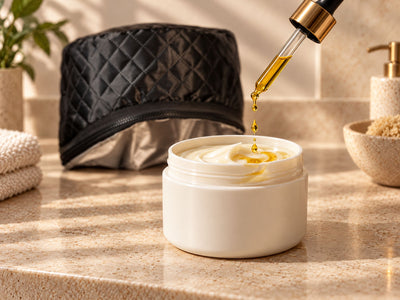
The book gives two simple options: an electric heated hat or a warm towel, for twenty to thirty minutes after applying your conditioner or mask. Always check whether your product advises heat, and always follow the manufacturer's instructions.
Warm towel
- Good for: getting started with what you already have.
- The catch: a towel cools down, so the warmth isn't consistent across the whole session.
Heated hat (heat cap)
- Good for: steady, gentle warmth for the full twenty to thirty minutes, hands-free.
- The catch: it's corded, so you stay near a plug socket. And not every heat cap gives you real control over temperature and time.

I use my Heat Hat every wash day, even with basic conditioners, to strengthen their effectiveness and keep my hair hydrated and soft from one wash day to the next.
Job two: heat for drying and setting
Once you've rinsed, the question becomes how to dry. The book covers three options:
- Air drying avoids heat tools, but the cuticle can dry unevenly and cause frizz. Hair is more fragile while wet, so be gentle until it's fully dry.
- A hooded dryer uses diffused heat (heat spread evenly) to dry natural hair and set styles like twists, comb coils and wash-and-gos. It's faster than air drying, more even than a handheld blow-dryer and easier on your arms. But excessive heat from hooded dryers can irritate the scalp, especially sensitive scalps.
- Diffusing, with a diffuser on a low heat setting, is gentler and more controlled, adds root volume and helps define curls without excessive heat exposure. It can be time-consuming if your hair is very dense.
Many of us combine them: hooded dryer for most of the drying, then a diffuser to make sure the roots are completely dry.
“Pay attention to your scalp and hair – they will tell you what they need.”— Paige Lewin, How to Love Your Afro
What to avoid
Heat itself isn't the enemy. Frequent use of flat irons, curling irons and blow-dryers with excessive heat can damage your hair's keratin structure and lead to dryness and breakage. Daily heat and oils caused my own “spiky ends” once, until a curl specialist spotted it in under twenty minutes. Keep heat gentle, occasional and controlled. More on that in Is a Heat Cap Safe for Afro Hair?
Make your heat cap work harder
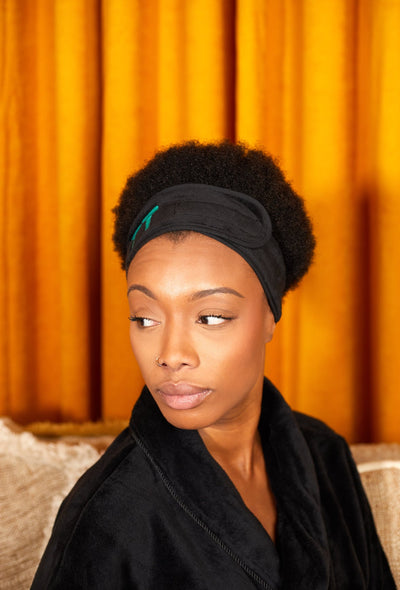
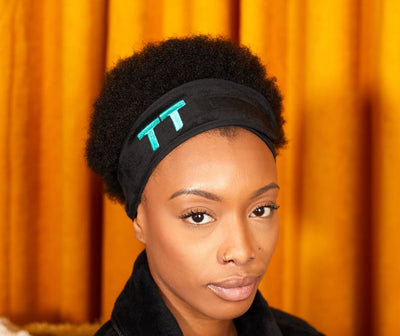
Heat escapes at your hairline, and product loves to drip. A TT Self-Care Headband around the base of your Heat Hat seals the heat in at your edges and keeps everything off your face.

Frequently asked questions
Can I use a hooded dryer to deep condition?
In the book, hooded dryers are for drying and setting styles. For conditioning, use a heated hat or warm towel for twenty to thirty minutes, as your product directs.
How hot should a heat cap be?
Low and gentle. The TT Heat Hat lets you choose any temperature up to 80°C, so start low and follow your product's instructions.
The Heat Hat Method
Consistent, controllable heat for conditioning: temperature dial up to 80°C, 30-minute timer with countdown, sound alerts and auto shut-off. £44.99, or 3 interest-free payments with Klarna.
From the book
How to Love Your Afro by Paige Lewin
Heat and drying are covered in Chapter Thirteen, Building Your Wash Day Routine. The Bloomsbury-published, Amazon bestselling guide to loving and caring for your natural hair, in hardback, Kindle and audiobook.
Amazon UK Amazon US Barnes & Noble Waterstones Blackwell's Roving Heights (Nigeria)
Paige xx
The Hair Journal, in your inbox
Get Paige's wash day tips first.
New Hair Journal posts, honest Afro hair education from How to Love Your Afro, and first access to new Team Texture drops.
Unsubscribe any time.


